Questions for Hikuri
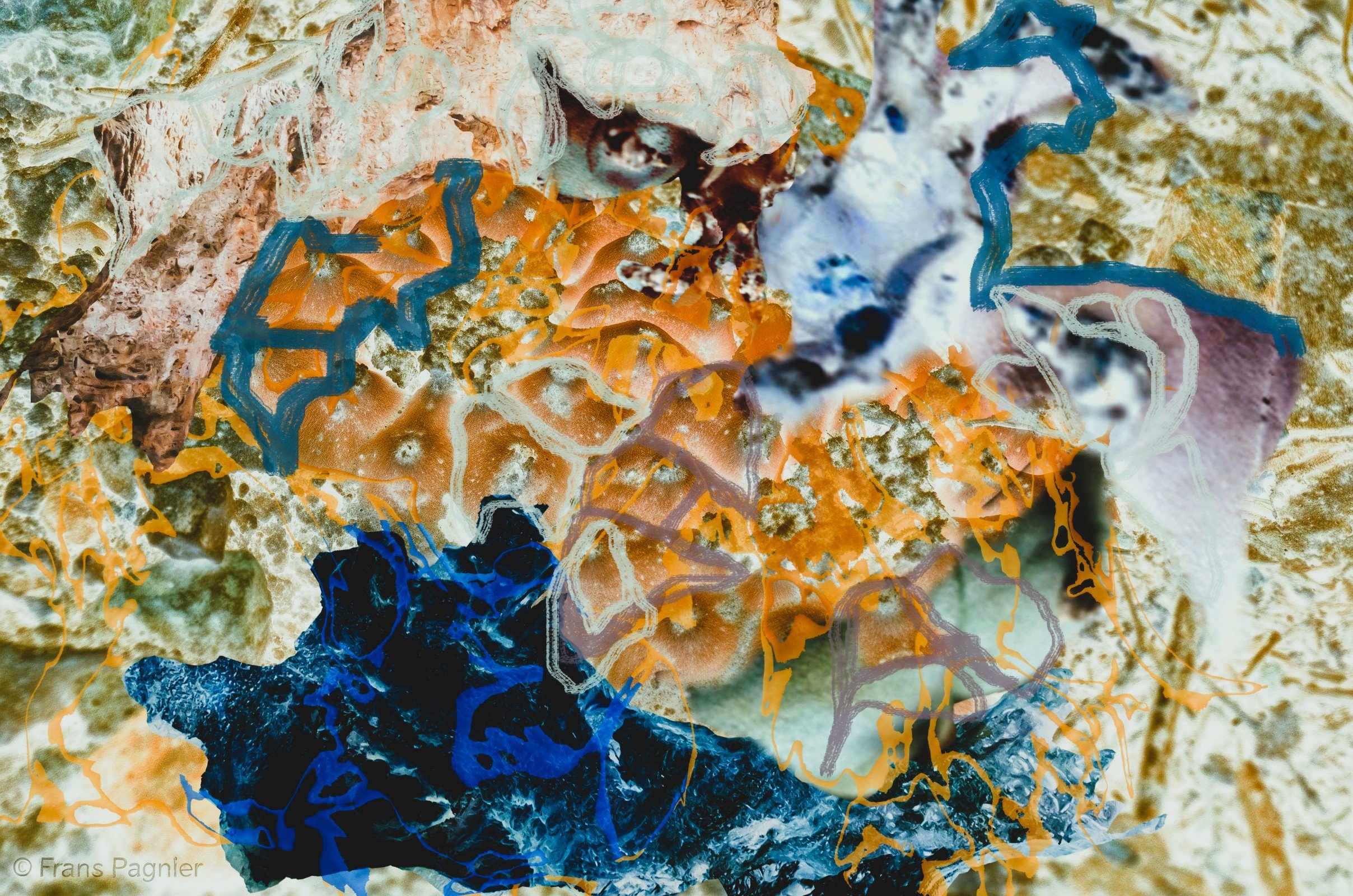
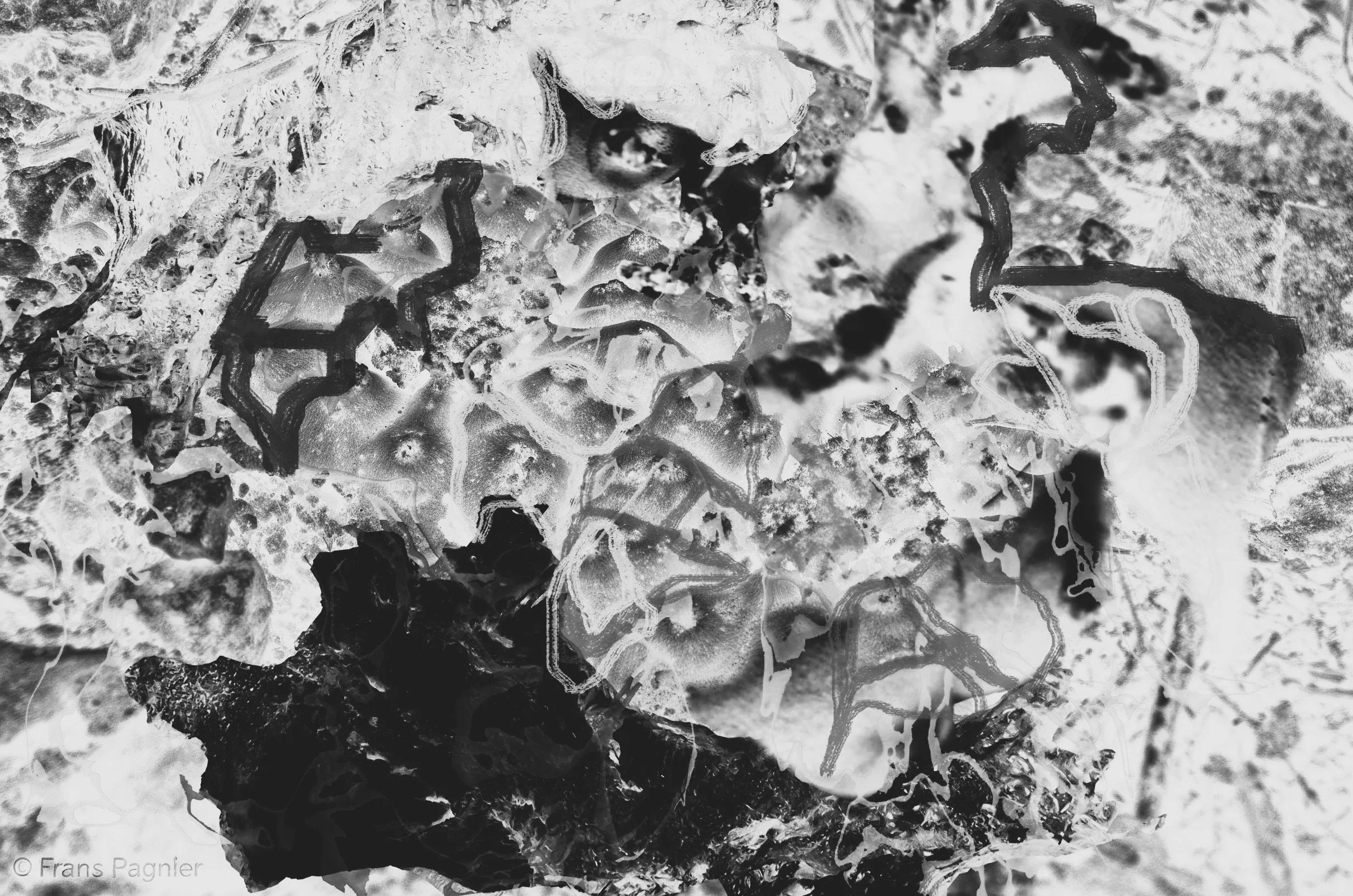
(Lophophora williamsii)
Hikuri,
clustering hidden among stones,
who taught you to survive without spines,
to vanish by looking like nothing but yourself?
Did the sky spill a drop of night
and call it you?
Do you remember
the fingers that dig without asking,
the long narrow knives,
the sulfur sprinkled to seal your wound
as if pain could be blessed into the void?
Are you a threshold, or a guard?
Does it really take you fifteen years to sing?
Fifteen revolutions of drought and moonlight
to say yes to the sky?
Who may place their hands in your soil
and not steal?
Who may harvest your flesh
in the name of the gods,
and who must wait,
grow you from seed,
count the years like chaquira beads,
offer only water and patience?
Hikuri,
you who pulse in the sand’s texture,
how deep must I look
before the mirror forgives the face?
Why do the Wixaritari say
that you are not a plant but a bridge
suspended between the seen and unseen flame?
Can a stranger cross you
without becoming an echo?
If I cross, barefoot, uninvited,
will the sky close behind me
like a wound over a splinter?
Or will I become
another silent trespasser
in the map of your roots?
If I carry only questions,
is that a kind of offering?
Or are you merely waiting,
as you always have,
for the questions to stop
trying to sound like answers?
Note: Hikuri (Lophophora williamsii), also known as peyote, holds deep spiritual significance for the Wixárika (Huichol) people of Mexico and for members of the Native American Church. This poem, written from a non-Indigenous perspective, is offered in reverence, with respect for the plant’s sacred traditions and the ecological and legal protections that surround it.
Steven F. White is the co-author of Microcosms—Sacred Plants of the Americas (Papadakis, 2025 and Princeton UP, 2026), winner of an ICMA Gold Award. Read more.