Steven F. White
Questions for Hikuri
Artist Statement: Talking & Listening to Plants
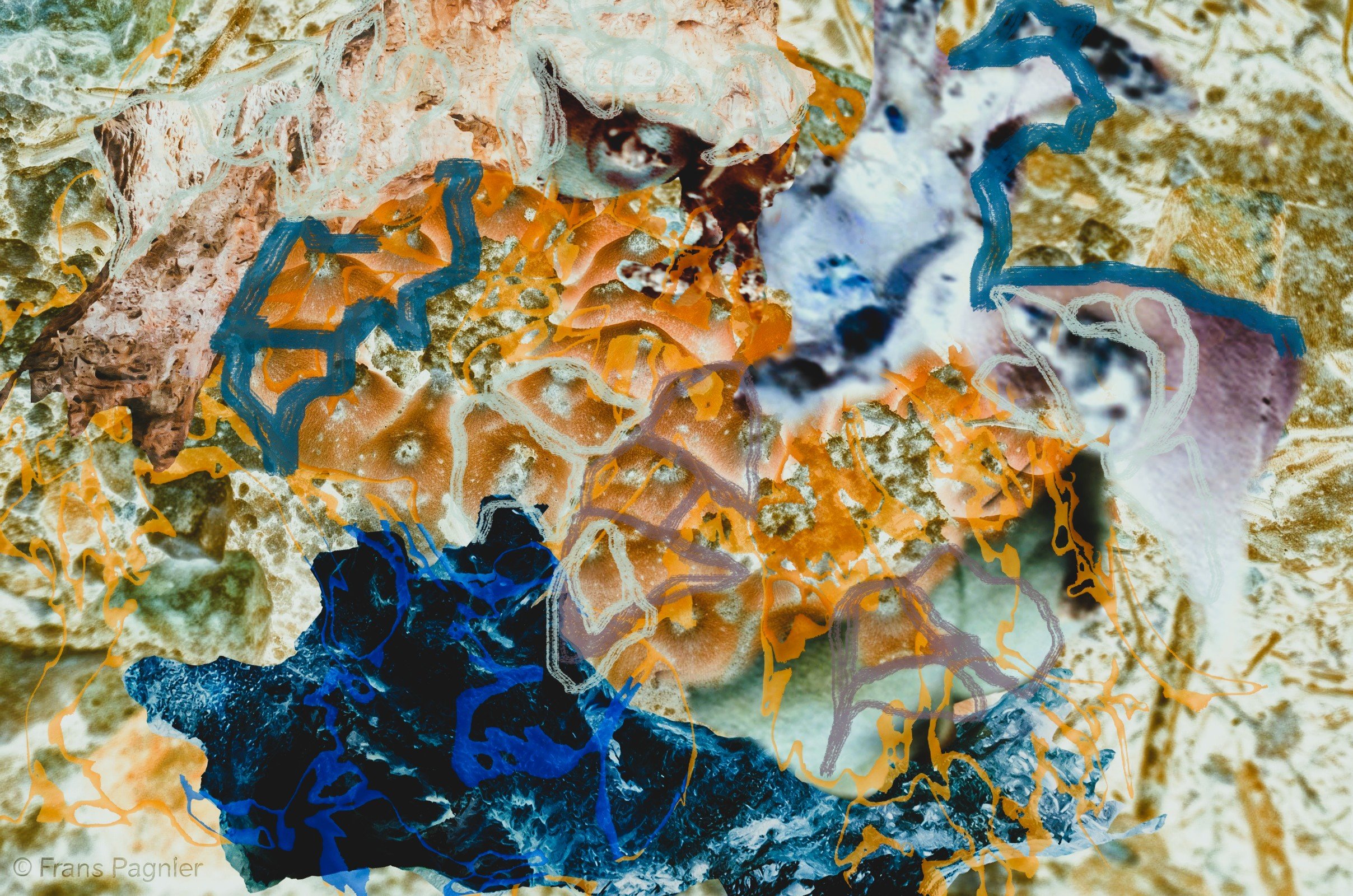
“Questions for Hikuri” emerges from a potential conflict that has become increasingly difficult to ignore: how does one speak about a sacred plant without turning it into an object of extraction? The poem is constructed entirely through questions because questions, unlike declarations, preserve uncertainty, humility, and distance. I wanted the language to remain suspended before the cactus rather than attempting to master or explain it.
Peyote—known botanically as Lophophora williamsii and as Hikuri among the Wixárika (Huichol) people of Mexico—is one of the more than fifty culturally significant species explored in Sacred Plants of the Americas (Princeton University Press, 2026), the volume I co-authored with microscopist Jill Pflugheber, and in the related digital project Microcosms: A Homage to Sacred Plants of the Americas. Microcosms: A Homage to Sacred Plants of the Americas Archaeological evidence from Northern Mexico suggests ritual relationships with the cactus extending back as far as 7,000 years. Across generations, Hikuri has functioned not merely as a plant, but as a center of cosmology, pilgrimage, song, healing, and ethical orientation. As ethnographers Stacy B. Schaefer and Peter T. Furst have argued, peyote operates as an “enculturating force,” shaping ritual consciousness through myths, ceremonies, and communal memory. Within the Native American Church, peyote also remains a legally protected sacrament central to prayer, sobriety, healing, and cultural survival.
At the same time, the cactus now exists under intense pressure. Ecological depletion, illegal harvesting, land-use change, and increasing global fascination with psychoactive plants have all contributed to its precarity. As Michael Pollan notes in This Is Your Mind on Plants, demand for peyote has grown rapidly while wild populations continue to diminish. Pollan also reminds readers that for non-Native people in the United States, possession or cultivation of peyote remains federally prohibited except within specific ceremonial protections connected to Indigenous religious practice.
These tensions informed every line of the poem. I did not want to write a visionary poem about peyote. I wanted instead to write a poem about hesitation, permission, trespass, reverence, and limits. The speaker repeatedly questions whether any crossing into Hikuri’s world is ethically possible from outside the traditions that have safeguarded the plant for millennia. The recurring uncertainty (“Who may place their hands in your soil / and not steal?”) became, for me, the moral center of the poem.
The poem’s final gesture is also important to me: the possibility that questions themselves may constitute a form of restraint. In a cultural moment that often seeks immediate access, revelation, and consumption, Hikuri appears here less as an answer than as a threshold that resists possession. The cactus remains partially veiled, retaining what the poem cannot enter. I wanted the work to honor that opacity.
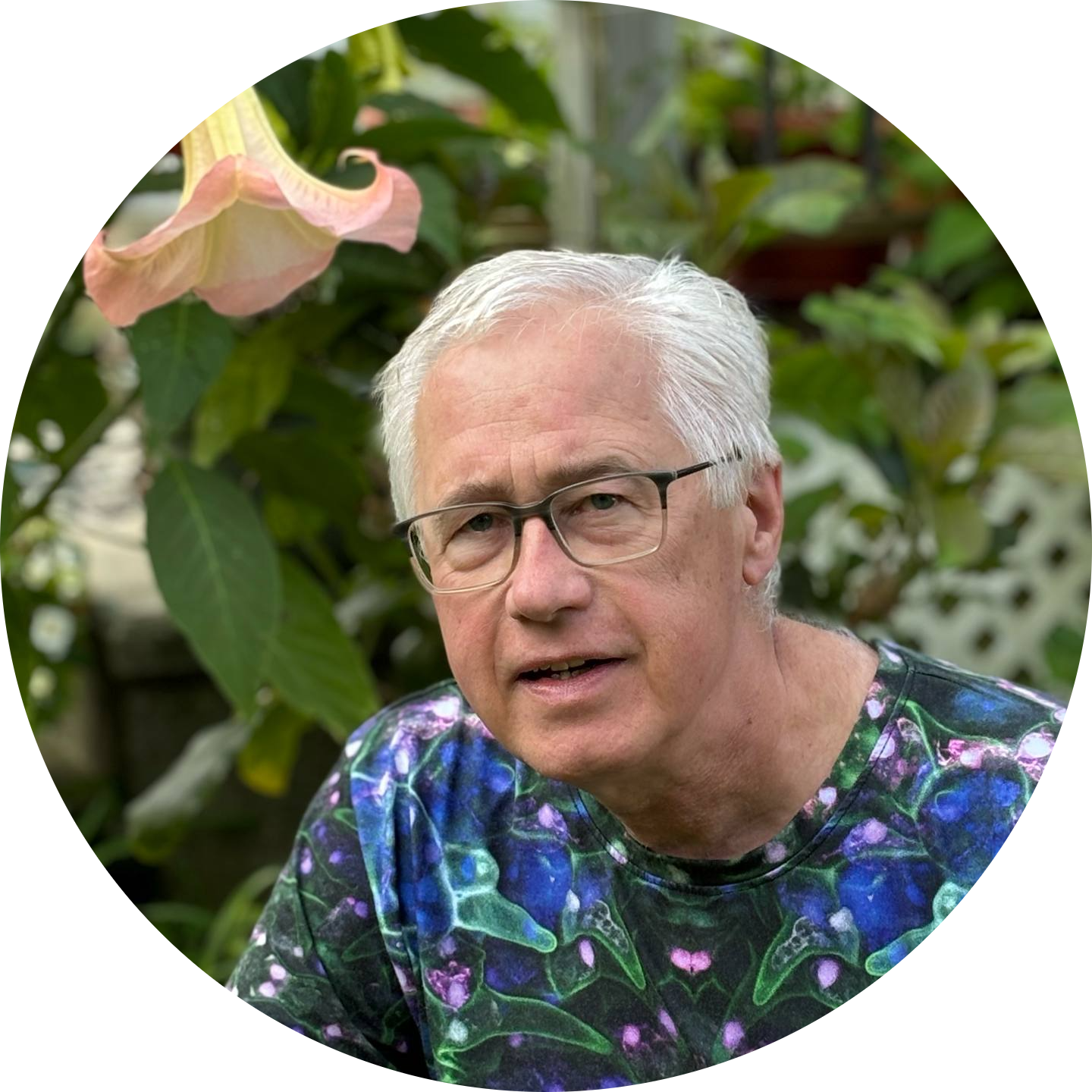
Steven F. White is the co-author of Microcosms—Sacred Plants of the Americas (Papadakis, 2025 and Princeton UP, 2026), winner of an ICMA Gold Award, and Ayahuasca Reader: Encounters with the Amazon’s Sacred Vine (Synergetic, 2016). He did an ecocritical edition of Seven Trees Against the Dying Light by Nicaraguan Pablo Antonio Cuadra (Northwestern University Press, 2007) and translated the ethnobotanical poems of Esthela Calderón in The Bones of My Grandfather (Chifurnia, 2026). He taught at St. Lawrence University, where he founded the Caribbean and Latin American Studies interdisciplinary program. He is on the editorial board of Plant Perspectives.