Barbara Hurd
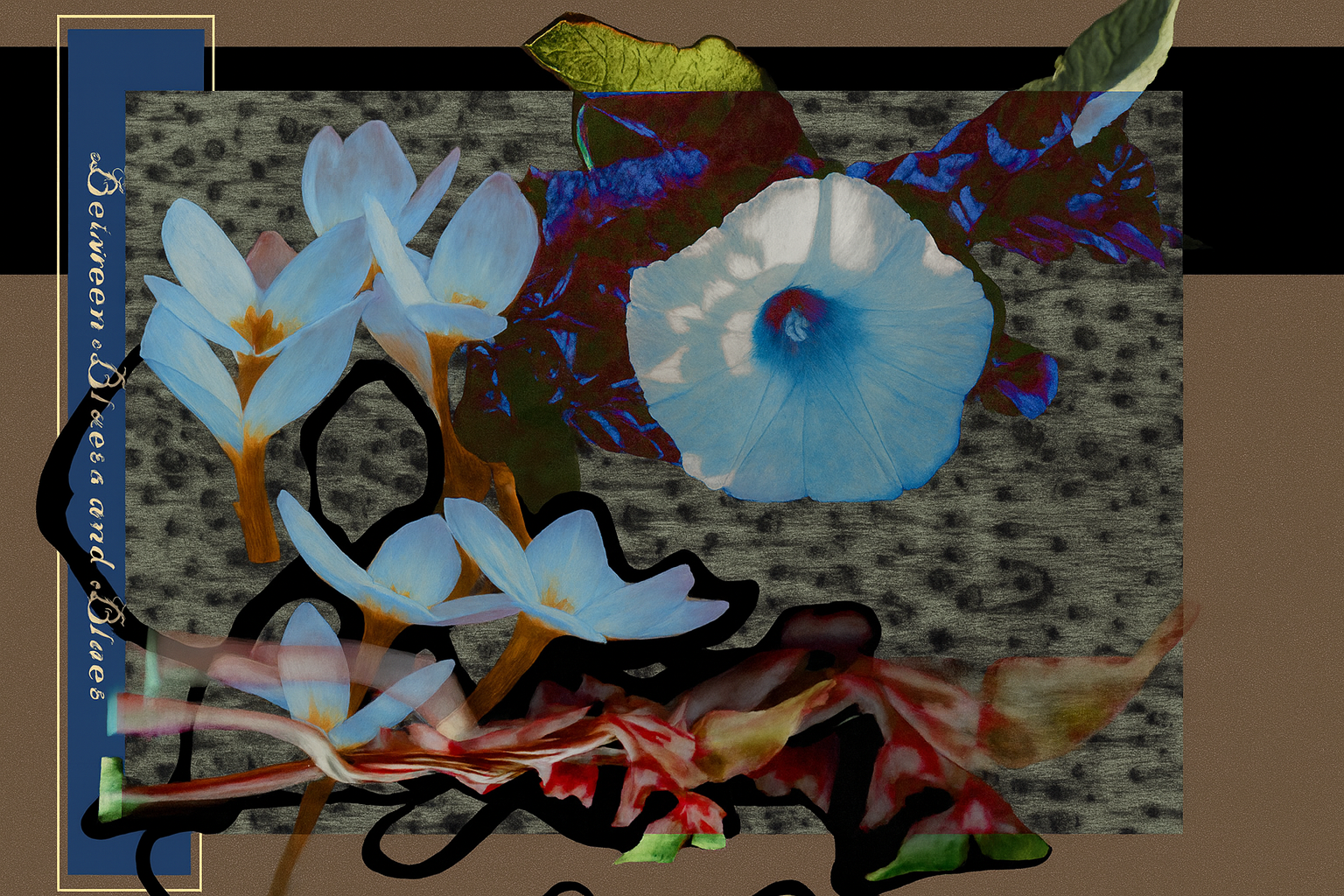
Between Bluets and Bindweed
Artist Statement: Talking & Listening to Plants
For decades I’ve been drawn to swamps for their rich ambiguity, their reminders of what flourishes in-between, their ability to thrive without hard edges and lines.
I’ve learned much from the plants that grow there—skunk cabbage and alders, cotton grass and jack-in-the-pulpits that can change their sex—about flexibility and timing, how to survive when swamp waters rise, and the impossibility of pinpointing clear beginnings and ends.
But when one spouse dies and the other survives, grief can impose a black & white world, which is what kept me out of swamps for a year and on my knees in the backyard garden instead. There, boundaries were easier to establish. Control was easier to impose. I didn’t have to wait to see if the deer-nibbled hostas would come back or if mildewed phlox could slough off another fungal infestation. I ripped them out with a vengeance and forced my will as much as I could, clung to overly simplified notions of dead or alive because anything in between jostled the firmer ground I felt I had to have. False dichotomies allowed me the illusion of control and ruptured the garden’s usually welcome, but now impossible, reminder to be patient.
The prose poem “Between Bluets and Bindweed” came out of the quandary which grief can stir up between contradictory needs.
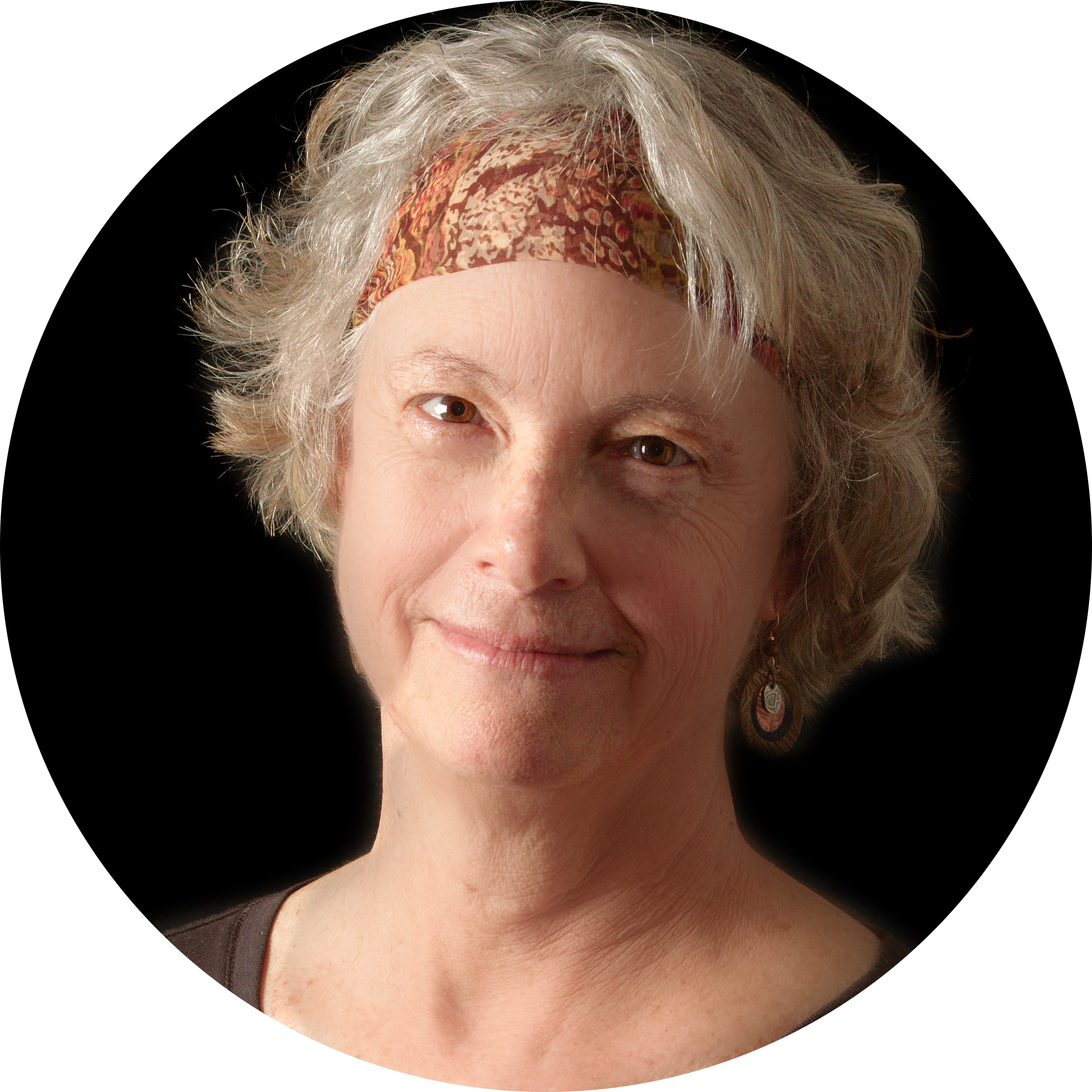
Barbara Hurd is the author of six collections of essays about the natural world. The recipient of a Guggenheim Fellowship, an NEA Fellowship for Creative Nonfiction, and winner of the Sierra Club’s National Nature Writing Award, she is Professor Emeritus at Vermont College of Fine Arts and Frostburg State University. www.barbarahurd.com