Cindy Hill

Immigrant/Invasive
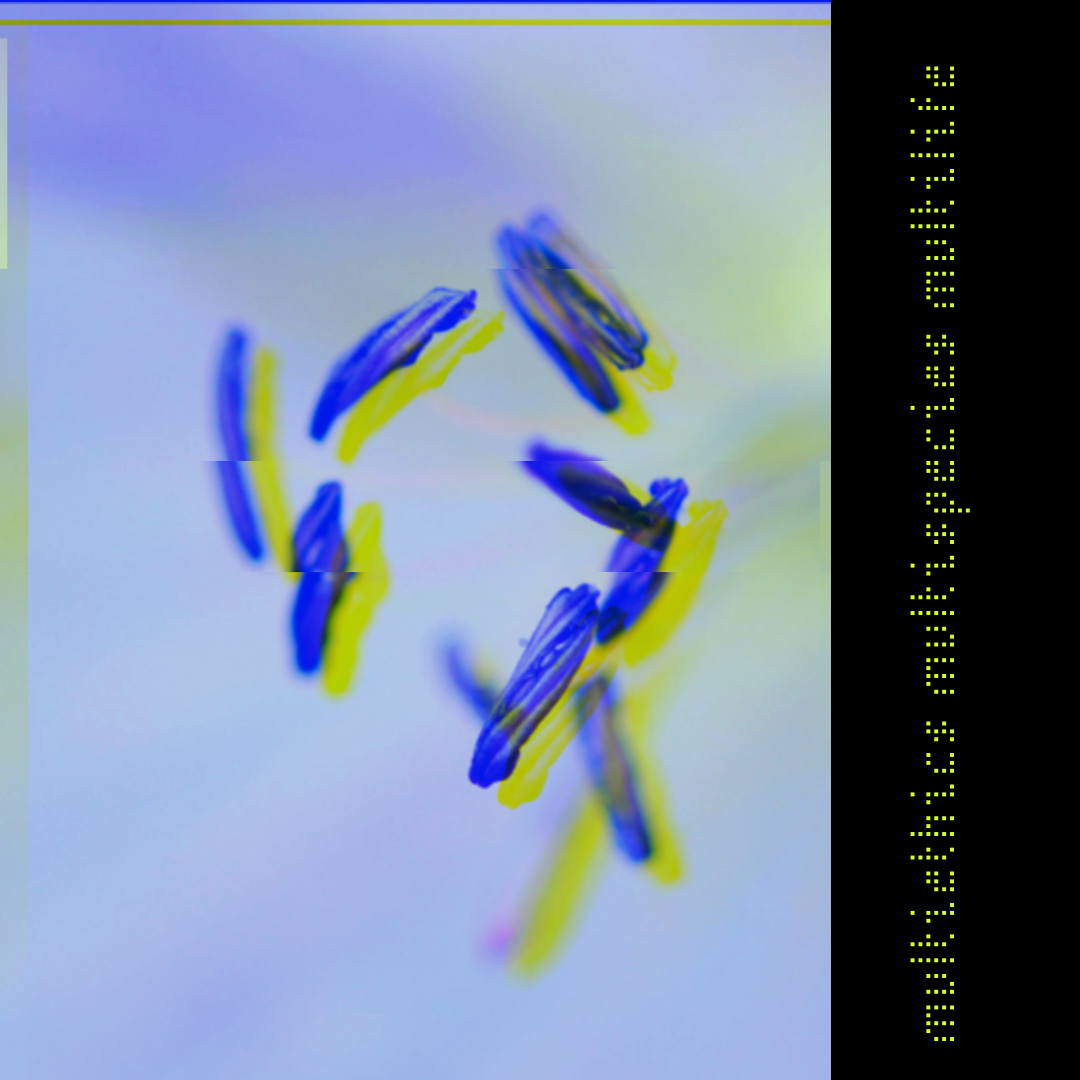
Artist Statement: Talking & Listening to Plants
To speak or write of the “natural world” as “other” is to create that otherness, a phenomenology of being in the world which perceives the self as a separately identifiable entity in relation with other separately identifiable entities. This is a fundamental error of perception. What flows in the rivers flows in our veins. What flows through the air flows through our lungs. What we kill in our gardens, we kill on our battlefields and city streets and in the arenas of economic injustice. Everything inter-is. Our deeply erroneous construct of otherness gives rise to room for callous disregard for the lives and deaths of plant, animal, and human beings. It has allowed us to forget that what we do to others, we do to ourselves. To be a poet or artist or musician is to exercise that pinnacle of human perceptive faculties—creative imagination—to re-embody that which we have externalized. It is an act of self-healing that encompasses the world. To succeed, we must end-run cold-hearted logic and appeal to imagery, lyricism and symbolism which calls to our collective souls the way coyotes call to one another across dark valleys. Our souls must howl in answer to that call. The dusky seaside sparrow was also a grandmother in Yemen. The bees on my rose of sharon tree are also my fingers on the keyboard. I feel and I perceive, therefore I am tall grass, and hummingbirds, and brambles drawing blood from my own skin, and the bright burst of wood sorrel on your tongue.
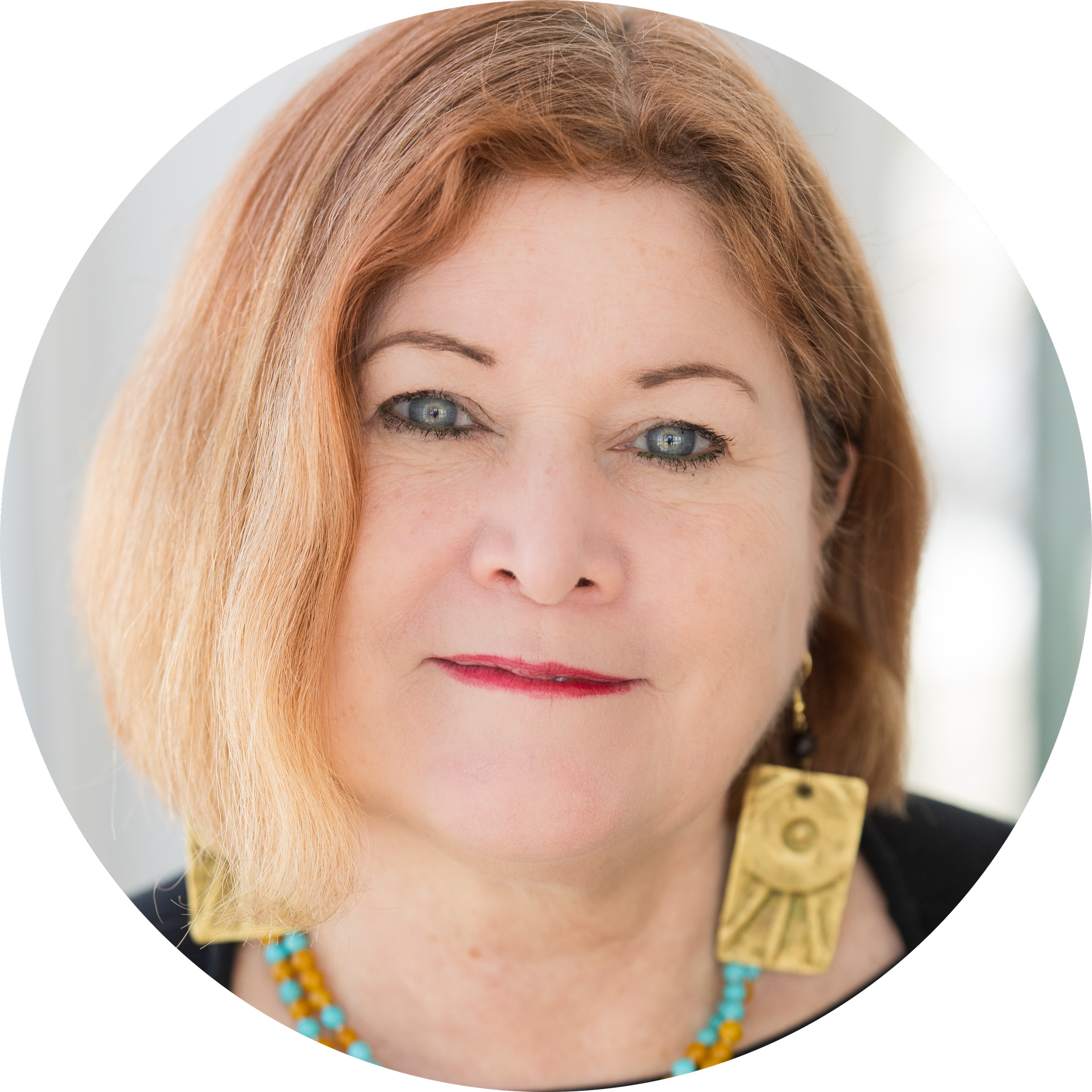
Cindy Ellen Hill is author of a novel in sonnet verse, Leeds Point (Selkie Songs Publishing) and has penned four poetry collections, Wild Earth (Antrim Press), Elegy for the Trees (Kelsay Books), Mosaic: Poems from Travels in Italy (Wild Dog Press), and Love in a Time of Climate Change (Finishing Line Press). Her poetry has appeared in Plant-Human Quarterly, Flint Hills Review, Anacapa Review, Measure, and National Public Radio. Her essays have appeared in American Poetry Review and Unlikely Stories. She has twice won the Vermont Writer’s Prize. She holds an MFA in Creative Writing.