Sally Bliumis-Dunn
Clipping Hydrangeas in Autumn
Yellow Had Been the Sun
Artist Statement: Talking & Listening to Plants
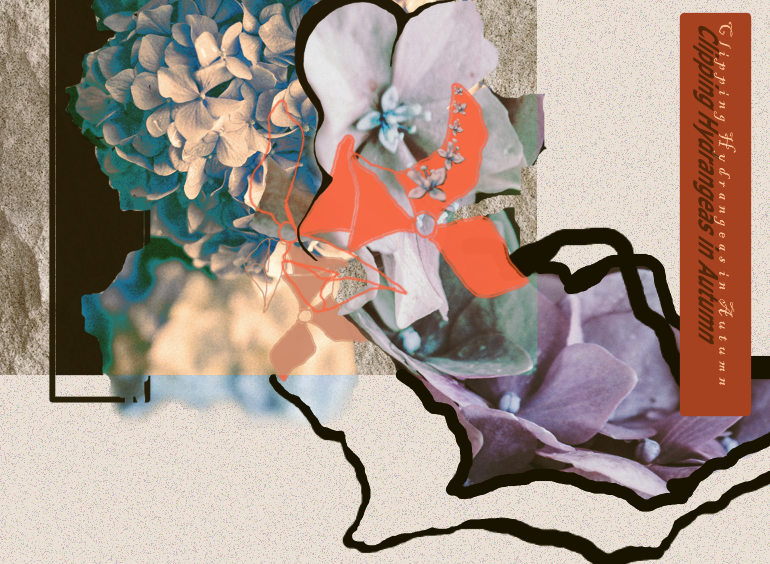
I experience the natural world as being filled with such dazzle that part of the reason I write is to be carried away by it. The writing of “Clipping Hydrangeas in Autumn” transformed the simple act of gathering the flowers into one such transportive experience which began with the first simile, “the hydrangeas hung like moons.” The moons were the door that opened onto the rest of the poem’s metaphoric journey. When I got to the line, “I clipped them free of time,” that sense of eternity felt unmanageably big to me but then let itself be grounded, at least a bit, by placing the hydrangeas in a vase on a table.
Octavio Paz spoke about how pain requires transformation and happiness does not, which is why pain is so much more often a subject of poetry than happiness. I do think we often write to transform pain into something more bearable, though in the case of this poem, I write about the beauty of the natural world to bring it closer to me, to create an intimacy with it through my own act of imagination which is a different kind of transformation. It distances the subject from me by making it something new but also draws it close through the strangeness of my seeing.
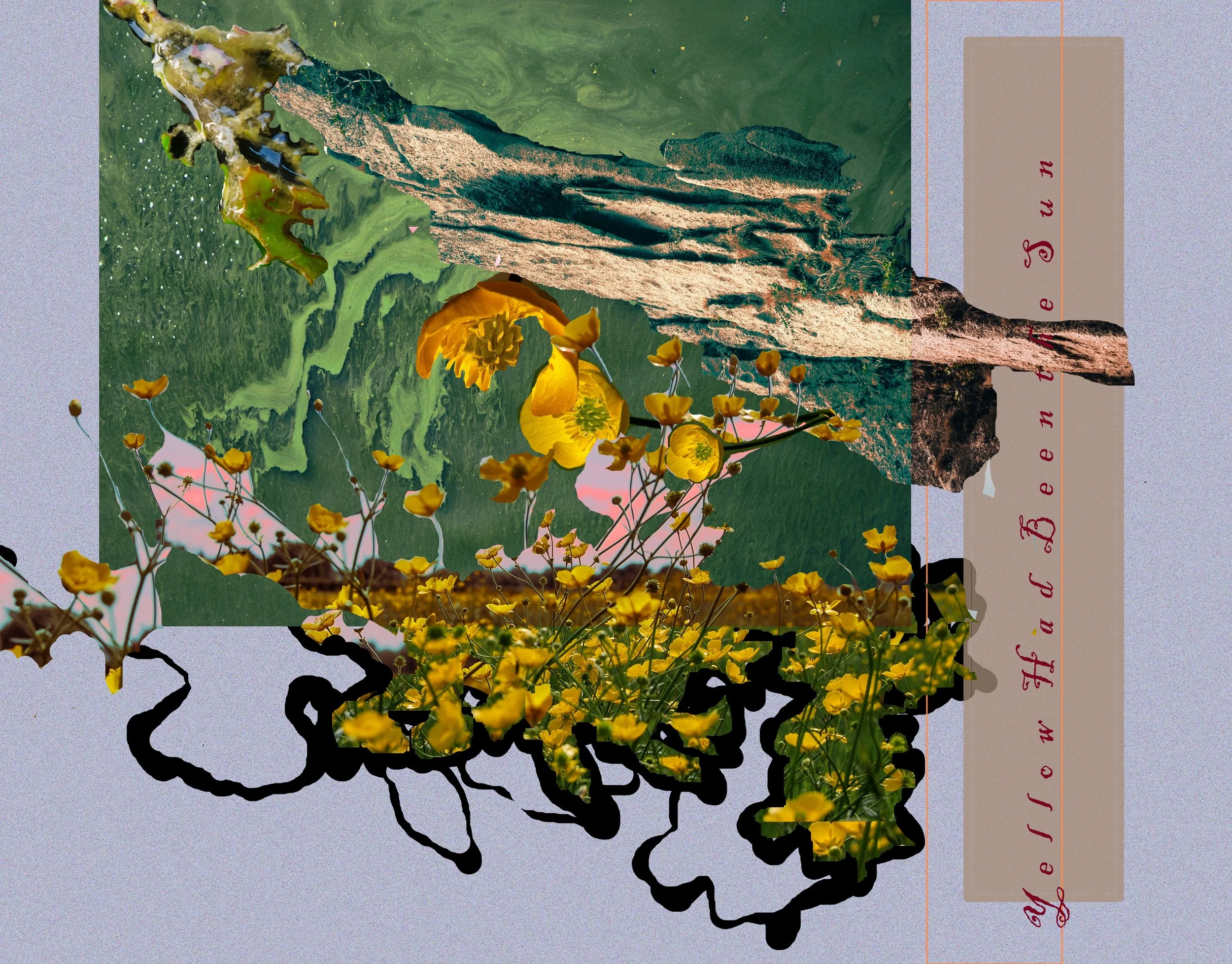
In “Yellow Had Been the Sun,” the “slippery” and “bright” buttercups remind the speaker of a traumatic accident, and her obsession with “rubbing their slick petals free/of gloss and color” is her way of trying to cope, to take the gloss, slippery texture and color from the petals and by analogy from the terrace stones where her father fell, thereby taking the danger from these terrace stones. The speaker sees in nature a vehicle, albeit an obsessive one, for the possibility of her own emotional trauma.
I read recently that some of us feel the draw to the natural world because of our early days as hunter-gathers when our eyes were trained to look for curves—human contours, animals, the leaves of plants. That these curves indicated sustenance and pleasure. That perpendicular lines and jagged angles seemed threatening.
I try to walk in the woods as many days as I can. I am often not able to articulate what transpires but I most always feel, when I return, that I have been given something deeply sustaining. I feel connected, a part of the natural world in ways that I am only beginning to understand. The paying close attention that is integral to writing poems has always been a vehicle to help that understanding grow.
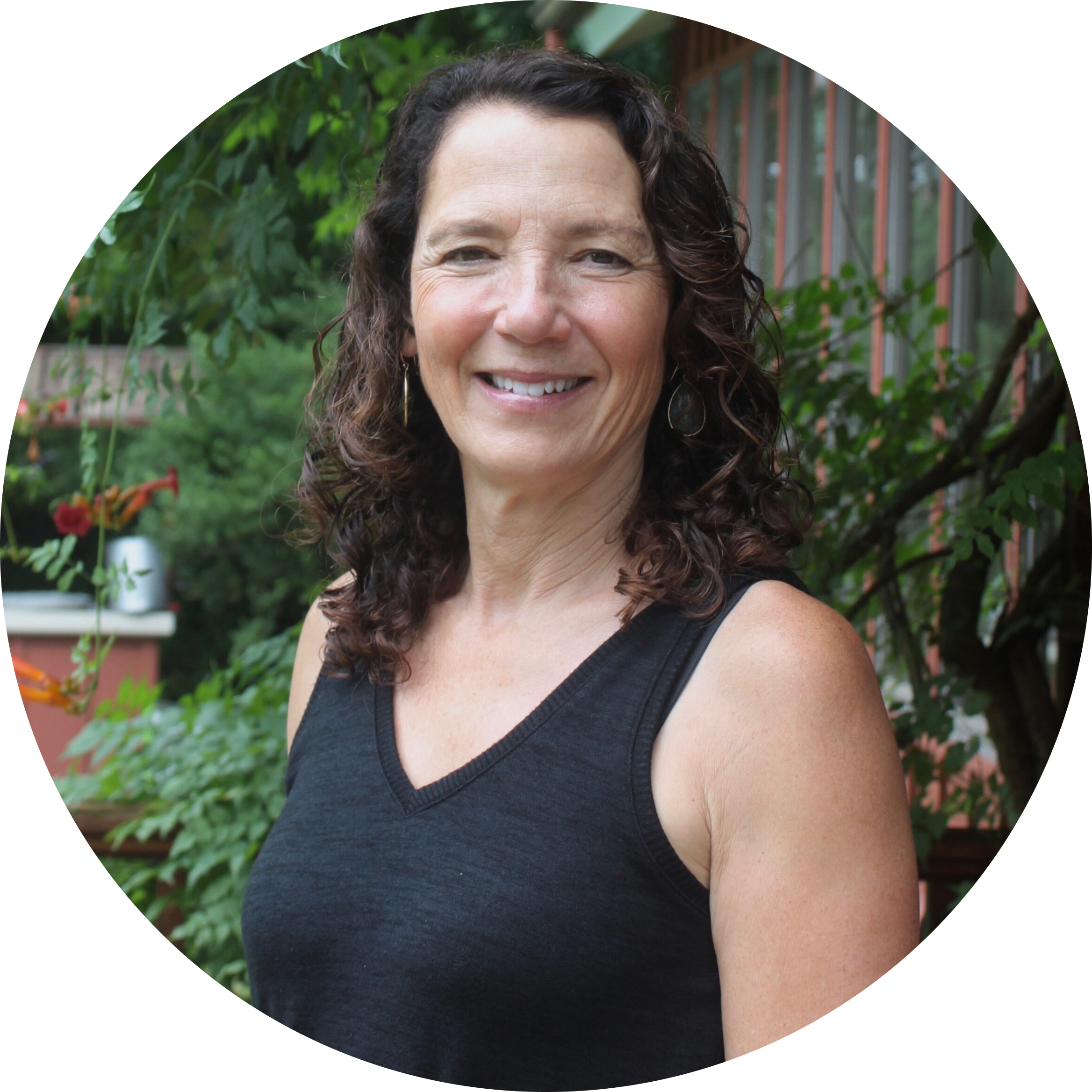
Sally Bliumis-Dunn teaches at The 92nd Street Y and is Associate Editor at-large for Plume Poetry. Her poems appeared in Paris Review, Prairie Schooner, PLUME, Poetry London, The NYT, PBS NewsHour, among others. In 2002, she was a finalist for the Nimrod/Hardman Pablo Neruda Prize. Her latest book, Echolocation, was published by Plume Editions/MadHat Press, 2018. Her fourth full-length book, Weather Report, is forthcoming from Cervena Barva Press in 2026.